Modern Business Card Template: A Designer's Professional Toolkit
The First Impression Engine
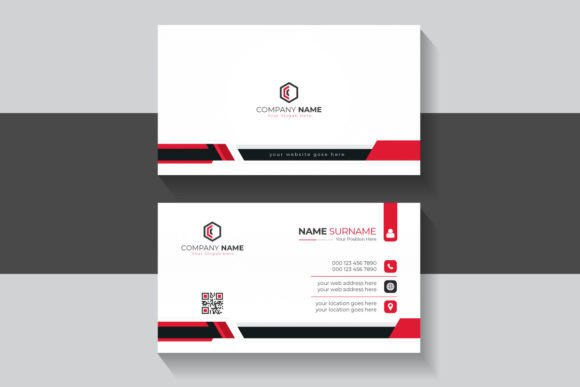
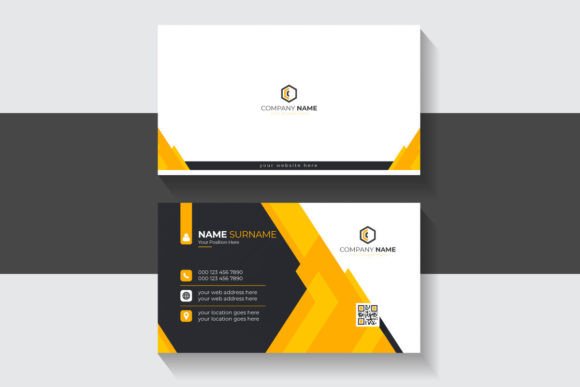
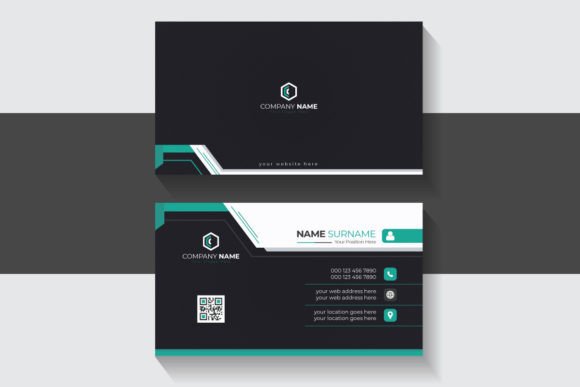
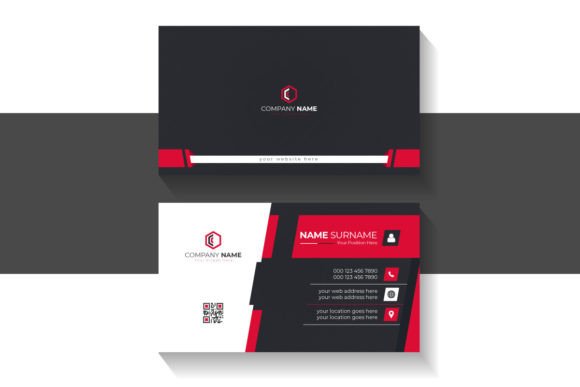
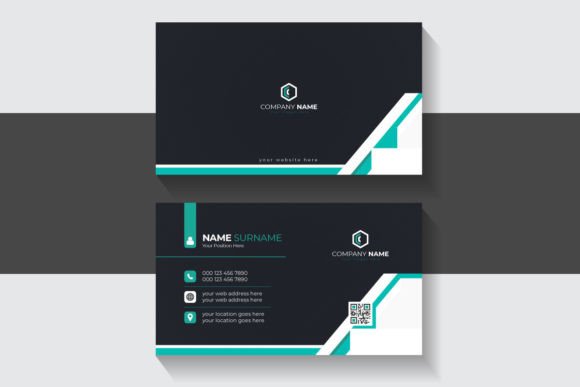
A business card is rarely just a piece of paper. It is a tactile ambassador for your brand, often the first physical artifact a potential client or collaborator holds. The Modern Business Card Template recognizes this weight, offering more than just a layout; it provides a strategic foundation for professional presentation. This isn't about generic clip art or overused corporate grids. It's a carefully structured system designed for the entrepreneur, freelancer, or creative professional who understands that a visiting card is a direct extension of their brand identity. The clean lines and thoughtful spacing in this template communicate competence before a single word is read, making it an essential design asset for anyone serious about their visual presence.
What sets this resource apart is its inherent flexibility. Delivered as Fully Editable Files Included, the package provides the raw materials for true customization. The Illustrator EPS Files are not flattened images; they are layered, living documents. Every object, color swatch, and text element is accessible, allowing you to deconstruct, rebuild, and infuse the layout with your unique brand personality. This level of control is what separates a template from a finished product, empowering you to create a Professional Visiting Card Design Layout that feels authentically yours, not a carbon copy of someone else's idea.
Anatomy of a Modern Layout
Let's talk specifics. The Size 1200×800 pixel canvas is a smart starting point, optimized for both detailed digital previews on screens and clear, high-resolution prints. The RGB Color Mode ensures vibrant, accurate colors when you're designing on a monitor or preparing assets for digital use, such as embedding the card in a PDF proposal or showcasing it on your website. For final print production, a quick conversion to CMYK is a standard step, but the initial RGB workspace offers a broader, more intuitive color palette during the creative phase. This consideration for modern workflows shows a template built for today's designers.
The visual language of the template leans into a modern typography sensibility. It typically employs a balanced contrast between a clean sans serif font for body information and a more distinctive display font or subtle serif font for the name or logo. This isn't just aesthetic; it's functional. It creates a clear visual hierarchy, guiding the eye from the most important element—your name or business—to contact details. The use of Free Font options is a thoughtful inclusion, removing a common barrier to entry and ensuring your project remains budget-friendly from start to finish. The overall appeal is one of confident minimalism, where every element has purpose and breathing room.
Strategic Applications Beyond the Card
While its primary function is clear, the true value of this Modern Business Card Template lies in its adaptability as a foundational design asset. Consider it a springboard for a cohesive brand identity. The grid system, color scheme, and typographic pairings established here can logically extend to other materials. Use the same layout principles to design matching letterheads, appointment cards, or thank-you notes. The EPS file format is particularly valuable here, as it allows for infinite scaling without loss of quality—perfect for adapting a card design element into a large-format poster or a tiny social media icon.
For content creators and marketers, this template system offers a rapid solution for creating professional collateral. Imagine needing a speaker bio card for a conference, a media kit insert, or a branded template for client testimonials. The editable files allow you to repurpose the design quickly, maintaining visual consistency across all touchpoints. This consistency is crucial for building brand recognition and professionalism. A disjointed visual identity can undermine credibility, but a unified one, built from a strong template core, projects reliability and attention to detail.
Practical Implementation Guide
Getting the most from this resource requires a strategic approach. First, evaluate the font pairing suggestions within the template. Don't just accept them; test them. Swap the suggested sans serif with another from your brand's style guide. Try replacing the display font with a script font or a handwritten font to see if it alters the personality in a way that better suits your audience. This experimentation is key to finding the right fit. Readability is paramount; ensure your chosen typefaces remain legible at the small scale of a business card, especially for contact details.
Next, consider the commercial licensing implied by "Fully Editable Files." Always verify the specific license for any free font included, especially if you plan to use the final design in high-volume commercial printing or as part of a product for sale. The template itself is your tool, but the components within it may have their own usage rights. When customizing, think about your audience engagement. A card for a creative agency might use bolder color blocks and a more expressive creative font. A card for a financial consultant would likely prioritize the clean sans serif font and a restrained color palette to build trust.
Finally, remember the physical medium. The digital design is only half the journey. Before finalizing, print a test version. Check the color accuracy after converting from RGB to CMYK. Feel the weight of the paper stock. Ensure the critical information has enough clear space around it and isn't lost in a bleed area. The goal of this Professional Visiting Card Design Layout is to bridge the digital and physical worlds seamlessly. By leveraging its editable nature and thoughtful structure, you transform a generic template into a powerful, personalized tool for making lasting professional connections.